
Premium Packaging Becomes A Growth Strategy For Retailers
Written by: Jeff H. of TEAM Concept Printing
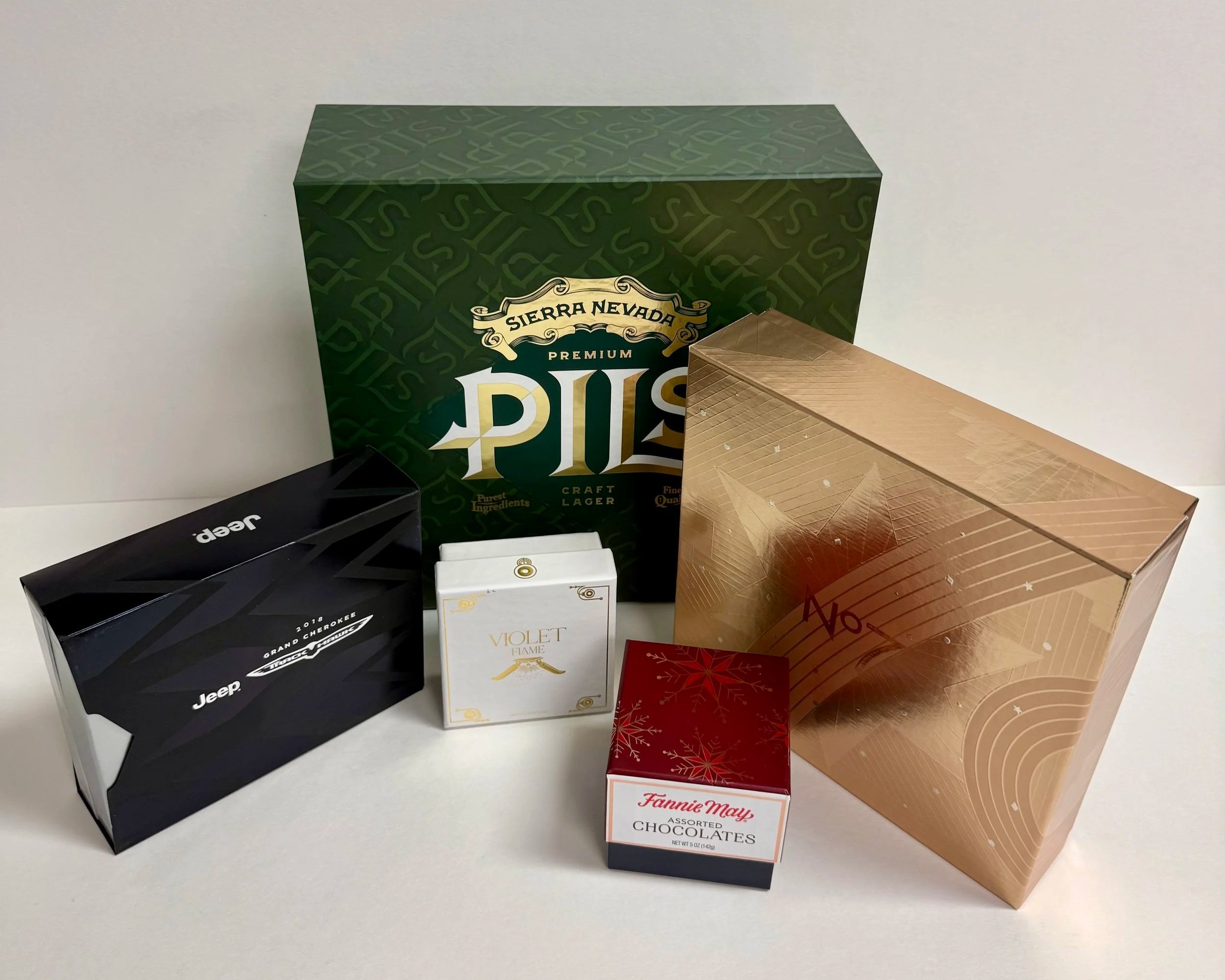
Retailers and product brands without premium packaging face commoditization and margin compression in highly competitive markets. In categories from specialty coffee to cosmetics to consumer tech, packaging is no longer decorative—it's a direct driver of perceived value and purchasing behavior.
The shift is structural. Consumers form quality judgments in under 50 milliseconds, before they even open the product. A generic, commodity package signals low value. A thoughtfully designed one with tactile finishes, high-end materials, and clean typography signals quality, craftsmanship, and a justified price.
This matters because premium packaging allows brands to escape price competition entirely. Instead of competing on cost, they compete on experience. A specialty coffee roaster can charge more for a pound of beans, not because the coffee is necessarily better, but because the packaging tells a story of quality and care. The same principle applies to cosmetics, tech accessories, and luxury goods across every category, TEAM Concept Printing & Packaging, a Chicago-based commercial printing company, reports.
Premium Packaging Captures Sales in Under 50 Milliseconds
It takes less than 50 milliseconds for a customer to decide if they’re going to interact with a product or not. Whether on a shelf, in a brick-and-mortar store, or online, in an e-commerce shop, that first impression can make the difference between “buy” and “pass.”
The judgment rests on perceived quality. Even before they open the packaging and see what’s inside, buyers will already have formed an expectation. A clean, professional design that incorporates special elements like texture or embossed writing signals attention to detail and creative effort.
Premium packaging becomes inseparable from the product itself. This is especially true in the cosmetic and beauty industry, where custom cosmetic packaging can communicate a brand’s quality, personality, and positioning before a customer ever tries the product.
Apple's packaging has become a benchmark in retail design. When someone opens an iPhone box, everything is well-placed, sophisticated, and clean. The entire experience is intentional and cohesive.
The smooth lines and clean design continue with the product. This way, the packaging sets the expectation and the device delivers. Even if the consumer doesn’t know what premium packaging is, they feel the difference, and this is all that matters for a spectacular first impression.
The Details that Signal Quality
Premium packaging uses high-quality materials, sophisticated printing methods, and intentional design to create an elevated customer experience. The distinction isn't subtle—it's visible and tactile from the moment a buyer encounters the product.
Specialty brands differentiate through specific design choices: flat-bottom bags that stand upright (not slouching pillows), discrete pocket zippers that reseal, matte finishes that feel like soft-touch fabric, and transparent labeling that highlights technical specifications. Abstract color blocks and editorial typography communicate tasting notes or product benefits. Each element reinforces the perception of quality and care.
Customization is central to both product differentiation and customer experience. Brands use distinctive designs, premium materials, and specialized printing techniques to ensure products stand out on shelves while creating stronger impressions on consumers.
The result is a coherent experience: The packaging sets expectations, and the product delivers on them. When done effectively, the unboxing itself becomes part of the value proposition.
How Does Packaging Drive Growth?
Given that premium packaging raises the shelf price of the product, how does it make sense for a business’s growth strategy?
Looking only at material costs, it may seem counterintuitive. But when considering consumer behavior and the fact that price and quality are among the most influential factors in purchasing decisions, premium packaging can be a high-return investment.
Better Visibility
In a crowded store or an endless online scroll, brands have roughly three to seven seconds to capture a shopper's attention before they look away. If their packaging looks generic, they’re forced to compete purely on price, meaning many companies have to lower prices to get noticed.
Premium packaging flips this dynamic. By using striking visual architecture and tactile finishes, the product immediately stands out. It breaks through the visual noise, transforming a passive browser into an active buyer.
Rewire the Consumer's Perception of Value
Fast visual assessments evolved within human cognition. This instinct helped humans survive ancestral environments and still drives split-second purchasing decisions.
So, while premium packaging increases production costs, it also enables brands to shift from price competition to value competition, with consumers accepting higher retail prices.
Free Word-of-Mouth Marketing
Many consumers find it satisfying to unpack a beautifully wrapped gift or product. This feeling is behind one of the biggest trends in the creator economy: unboxing videos.
The unboxing phenomenon is still popular, especially on short-form content platforms like TikTok or Instagram. And it’s a massive driver of organic, free marketing.
Nowadays, the trend has shifted a bit toward sustainable and reusable packaging that still looks and feels great. For instance, many of the boxes and containers used by the luxury packaging market are reusable as home storage solutions. This way, buyers get to brag about their purchases while feeling proud that they didn’t contribute to the packaging material waste problem.
A Chance for Small Retailers
Independent retailers face a structural disadvantage against massive corporate brands when competing purely on price. Premium packaging shifts this dynamic. By upgrading to premium, sustainable mono-materials and detailed, transparent labeling, they shift the product out of the grocery staple category and into the luxury experience category.
Their target is now a demographic of consumers who actively want to spend money on high-quality goods, even if it's a few dollars more.
Investing in Growth Strategy Through Packaging
In a highly competitive market, premium packaging helps retailers stand out and capture the attention of a more affluent audience. So, whether a brand is selling coffee, cosmetics, or tech devices, it does pay to take things a bit further with custom boxes and packaging.
Although it raises the shelf price, premium packaging also increases customers’ desire to buy. By turning an ordinary purchase into an experience, businesses get to sell fewer items at much higher margins, while nurturing a loyal and dedicated client base.